
Can a Sump Pump Drain Pipe Be Connected to a Sewer Line?
This is a subtitle for your new post
Summary
Homeowners often wonder whether they can connect their sump pump drain pipe to the sewer line. Is it legal? Is it allowed? It sounds like a convenient solution, but it is outright illegal due to the risk of sewer backups and system overloads. Understanding the codes and installation rules helps you avoid making costly mistakes and water damage.
The key highlights of the blog are:
- Safer options for drain pipes, such as yard discharge
- Connecting a sump pump drain pipe to a sewer line is illegal
- How proper sump pump discharge pipe installation prevents flooding
- How to get the best performance through proper routing
- What happens when the drain pipe installation is incorrect
If you are a homeowner and this question is bothering you, this blog is for you. You don’t want to make a costly mistake and do something illegal, and thus, you should read this blog. It covers everything you need to know about a sump pump drain pipe, why you should not connect its drain pipe to a sewer line, approved alternatives, and a step-by-step guide to installing the discharge pipe.
Read on!
What Is a Sump Pump Drain Pipe and How Does It Work?
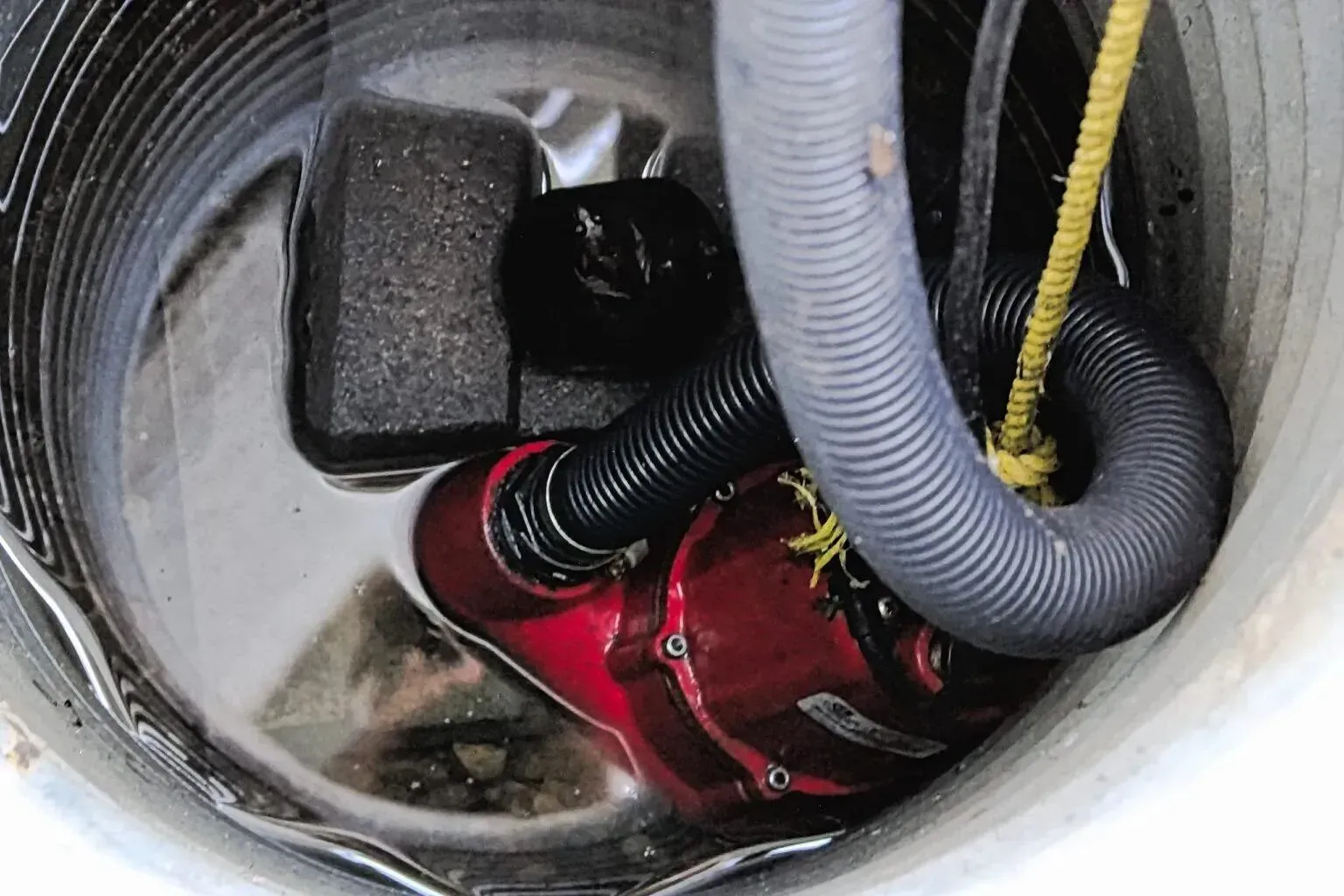
A sump pump drain pipe is a discharge line that carries groundwater away from your home’s foundation. When the sump pump activates, it pushes the water through the discharge pipe and releases it at a safe distance.
Water only flows away successfully if the drainpipe has been installed correctly. It reduces hydrostatic pressure, preventing basement flooding. Poor routing or illegal connections can cause water to flow back toward the house or into areas it shouldn’t.
Is It Legal to Connect a Sump Pump Discharge to a Sewer Line?
The answer is discussed below:
Why Do Most Cities Prohibit Sewer Connections?
It is not allowed in several areas to connect your sump pump drain pipe to a sanitary sewer line. The reason is simple: sump pumps can move large volumes of water very quickly, especially during storms. This excess water can overwhelm sewer systems, leading to backups inside homes and overflows into streets or waterways.
Because of these risks, the municipal codes prohibit such a connection.
Local Code Exceptions and Variations
Some older homes still have legacy connections that were once allowed, but municipalities have transformed the rules. Thus, you need to check local regulations before attempting any discharge line connections. It is crucial, especially when you are modifying an existing connection.
Read more:
Can a Boiler Leak Be Repaired or Do You Need a Replacement?
Sewer Line vs. Storm Drain: What’s the Difference?
A sanitary sewer carries wastewater from toilets, sinks, and appliances to treatment facilities. A storm drain, on the other hand, is designed to handle rainwater and groundwater runoff.
Connecting a drain pipe to a sewer line can cause backups, whereas connecting it to a storm drain is permitted in some cities, as storm drains are designed to handle large volumes of water.
Approved Alternatives to Sewer Line Connection
Here is what you can do instead:
Discharging to a Storm Drain (Where Permitted)
If your local municipality allows a sump pump discharge line connection to a storm drain, you can go for it. If done correctly, it doesn’t cause erosion or create freezing hazards. Always verify local requirements before proceeding.
Yard, Lawn, or Dry Well Discharge
Here are some commonly approved options:
- Discharging water onto a downward-sloped lawn
- Using a dry well to absorb water underground
- Routing discharge to a gravel-filled drainage area
These methods keep water away from the foundation without stressing sewer systems.
How to Install a Sump Pump Discharge Pipe Correctly?
You need professional
sump pump installation for it, which will offer the following:
Planning the Discharge Route
They will plan a route that:
- Slopes away from the home
- Avoids sidewalks and driveways
- Prevents water from flowing onto neighboring properties
- Proper planning will save time and money later.
Step-by-Step Sump Pump Discharge Pipe Installation
A basic installation process includes:
- Connecting the discharge pipe to the pump outlet
- Installing a check valve to prevent backflow
- Routing the pipe through the foundation wall
- Extending the pipe away from the house
- Securing joints to prevent leaks
This approach supports the long-term reliability of sump pump discharge pipe installation.
How to Bury a Sump Pump Discharge Pipe?
Here are the steps to bury a sump pump discharge pipe:
- Dig a trench sloped away from the home
- Bury the pipe below the frost line when possible
- Use a solid PVC pipe rather than a flexible hose
- Backfill with soil or gravel to prevent movement
Proper burial helps prevent freezing and accidental damage.
Sump Pump Discharge Hose Installation vs. Rigid Pipe
There are two options, and you must understand both to make the right choice. A hose is a temporary solution, flexible and easy to install, but prone to cracking and freezing.
Rigid PVC piping is more durable and reliable for long-term use, especially when burying the discharge line or routing it underground.
Common Mistakes to Avoid During Installation
The following mistakes must be avoided during sump pump installation:
- Connecting discharge to a sewer line
- Discharging water too close to the foundation
- Skipping a check valve
- Using undersized or flexible piping long-term
- Failing to account for freezing temperatures
Avoiding these mistakes protects both your home and local infrastructure.
Read more:
How to Avoid Common Mistakes When Hiring Bathroom Remodel Contractors?
Signs Your Sump Pump Discharge Is Installed Incorrectly
Watch out for these warning signs as they indicate that your sump pump isn’t installed correctly:
- Water is pooling near the foundation
- Frequent pump cycling
- Frozen discharge lines in winter
- Erosion near the discharge point
- Basement moisture despite pump operation
If you notice these, contact
Garot Plumbing & Heating and let us fix your sump pump discharge line system.
When to Call a Professional Plumber?
Call us at Garot Plumbing & Heating in the following cases:
- Local codes are unclear
- You suspect an illegal sewer connection
- Water continues to return toward the home
- The discharge line freezes or backs up
- You are unsure how to install a sump pump discharge pipe properly
Professional installation ensures compliance, safety, and long-term performance. Thus, contact us for any sump pump-related problem or inquiry.
Conclusion
So, the key takeaway from the blog is that you can’t connect your sump pump discharge line to the sanitary sewer. You can connect it to a storm drain, if allowed. It is advised to check local regulations before attempting anything.
If you still have questions or notice any warning signs of incorrect installation as discussed above, contact Garot Plumbing & Heating right away. We offer comprehensive sump pump-related services in Green Bay and neighboring areas and are ready to serve you anytime.
Contact us today!
Frequently Asked Questions
Can I connect my sump pump drain pipe to the sewer line?
No, it is prohibited in many areas because sewer connections can cause overflows. Check out the local municipal codes to learn more!
Is it allowed to connect the sump pump discharge to a storm drain?
Sometimes, it is allowed to connect your sump pump drain pipe to a storm drain.
How far should I run my sump pump discharge line?
A standard discharge line is ten feet or more to push the water away from the foundation successfully.
How do I bury a sump pump discharge pipe safely?
Bury it with proper slope, use rigid pipe, and place it below the frost line when possible.
Can I use a hose instead of a pipe for sump pump discharge?
A hose is a temporary solution, but you need a rigid pipe for long-term reliability.
