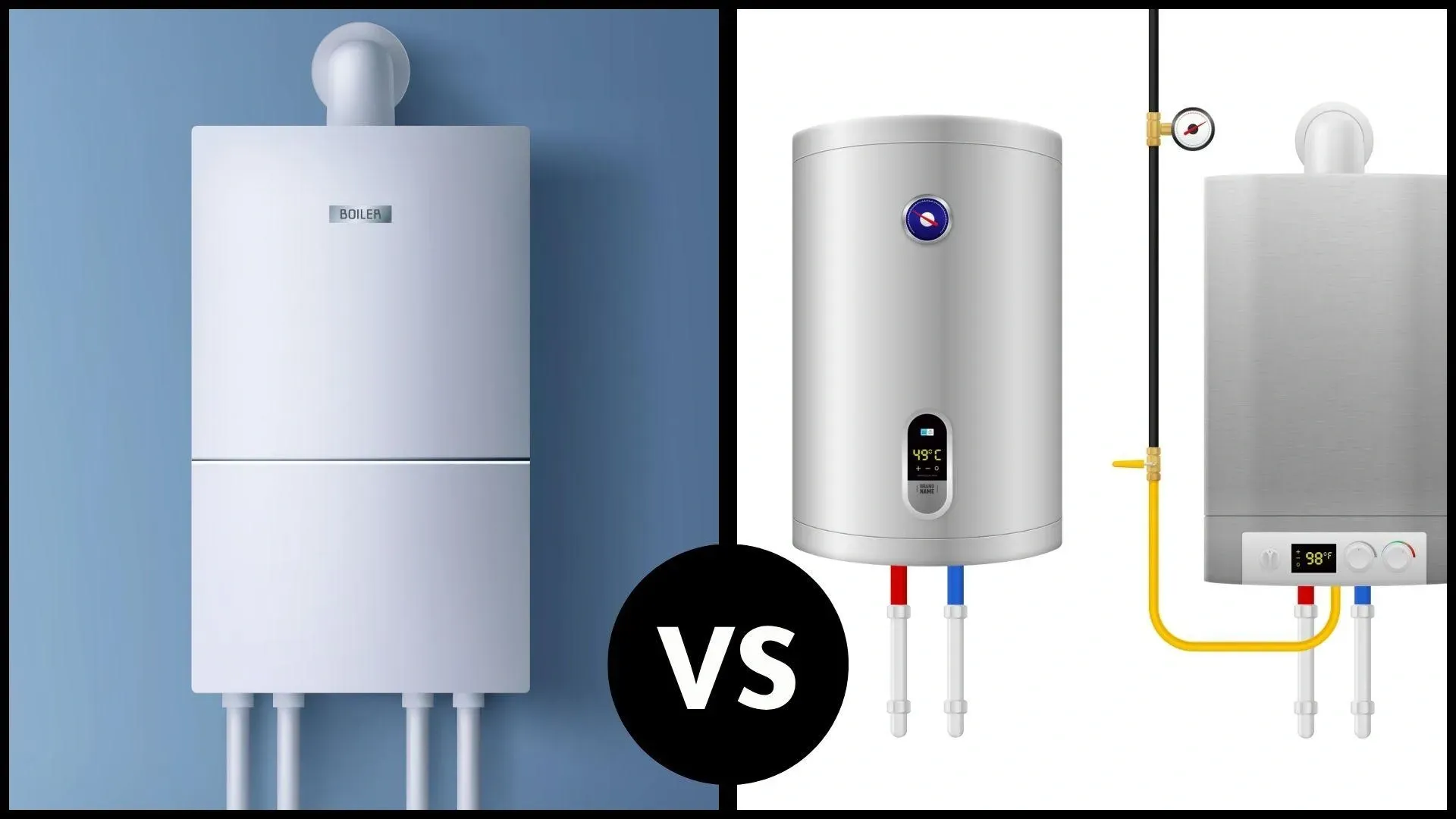
Gas vs Electric Tankless Installation: Which Is Better?
Summary
Choosing between gas and electric comes down to your home's infrastructure, budget, and hot water needs. Gas tankless water heaters deliver higher flow rates and work well in larger homes or colder climates, but tankless water heater installation for gas units is more complex and costly upfront. Electric units are easier and cheaper to install, ideal for smaller homes or point-of-use applications, but they may struggle to keep up during peak demand.
Quick Summary Points:
- Gas tankless systems offer faster heating and higher flow rates.
- Electric tankless systems are easier and cheaper to install.
- Gas units generally cost more upfront but perform better for large homes.
- Electric units are more energy-efficient but may struggle with simultaneous usage.
- Installation costs depend on plumbing, venting, electrical upgrades, and unit size.
- Choosing the right system depends on your home size, climate, and daily hot water usage.
Choosing between gas and electric systems can feel overwhelming when planning a tankless water heater installation. Both options offer energy efficiency, endless hot water, and space-saving benefits, but the right choice depends on your home’s setup, budget, and long-term needs.
This blog breaks down the differences between gas and electric tankless systems, including installation requirements, operating costs, maintenance, and energy savings. Whether you are planning a new tankless water heater installation or switching from a traditional tank system, this article will help you make an informed decision.
What Is a Tankless Water Heater Installation?
A tankless water heater heats water only when needed instead of storing hot water in a large tank. During a tankless hot water heater installation, the system is connected directly to your plumbing and either your gas line or electrical system.
Unlike traditional heaters, tankless systems provide continuous hot water while using less energy. Many homeowners also choose a tank-to-tankless water heater conversion to save space and lower utility bills over time.
Tankless systems can be installed indoors or through an outdoor
tankless water heater installation, depending on climate and home design.
Gas Tankless Water Heater Installation – Overview
Gas tankless water heater installation involves connecting the unit to your home's natural gas or propane supply, installing a venting system to exhaust combustion gases, and running the water lines. Most gas units are installed on an exterior wall to make venting easier, though indoor installations are also possible with proper exhaust routing.
Pros of Gas Tankless Installation
- Faster Heating Performance: Gas systems heat water quickly and provide strong water flow even during heavy usage.
- Better for Large Families: Homes with multiple bathrooms often benefit from the higher capacity of gas units.
- Works During High Demand: Gas systems can handle simultaneous showers, laundry, and dishwashing more effectively.
- Lower Operating Costs in Some Areas: If natural gas prices are lower in your area, operating costs may remain affordable over time.
Cons of Gas Tankless Installation
- Higher Installation Cost: Gas installations often require venting upgrades and gas line modifications.
- More Complex Installation: Professional installation is essential due to combustion and ventilation requirements.
- Regular Maintenance Needed: Burners and venting systems require periodic inspections for safety and efficiency.
- Not ideal for apartments or condos:
Venting may not be feasible in multi-unit buildings.
Electric Tankless Water Heater Installation – Overview
Electric tankless water heater installation is generally simpler and faster than gas. The unit connects directly to your electrical panel, requires no venting, and can often be installed in tight spaces, under a sink, in a closet, or on an exterior wall. This makes electric units popular for outdoor tankless water heater installation as well.
Pros of Electric Tankless Installation
- No venting required: Simpler installation with fewer code requirements.
- Lower Upfront Installation Cost: Electric units are typically easier and quicker to install.
- Compact and Space-Saving: Most electric systems are smaller and ideal for apartments or compact homes.
- Higher Energy Efficiency: Electric systems waste very little energy during operation.
- Minimal Maintenance: Electric models generally require less maintenance than gas units.
- Longer lifespan:
Fewer moving parts mean less wear over time.
Cons of Electric Tankless Installation
- Limited Flow Rate: Electric systems may struggle to support multiple simultaneous hot water uses.
- Electrical Upgrades May Be Required: Older homes may need panel upgrades to support high-powered units.
- Performance Depends on Climate: Cold groundwater temperatures can reduce efficiency in colder regions.
- Higher operating costs:
Electricity is more expensive than gas in most areas
Gas vs Electric Tankless Installation
| Feature | Gas Tankless | Electric Tankless |
|---|---|---|
| Installation Cost | Higher | Lower |
| Energy Efficiency | High | Very High |
| Hot Water Capacity | Excellent | Moderate |
| Installation Complexity | Complex | Easier |
| Maintenance | Moderate | Low |
| Space Requirement | Moderate | Compact |
| Best for Large Homes | Yes | Sometimes |
| Venting Required | Yes | No |
| Operating Cost | Depends on gas prices | Depends on electricity rates |
Factors Affecting Installation Cost
- Existing Plumbing Setup: Homes requiring plumbing modifications will have higher installation costs.
- Gas Line or Electrical Upgrades: Gas systems may need larger gas lines, while electric systems may require upgraded electrical panels.
- Ventilation Requirements: Gas heaters need proper venting systems, increasing labour and material costs.
- Unit Size and Capacity: Larger systems designed for multiple bathrooms cost more.
- Installation Location: Indoor and outdoor tankless water heater installation costs may vary depending on accessibility and weatherproofing requirements.
Homeowners searching for tankless water heater installation near me should compare quotes from licensed professionals before making a decision.
Which Option Is Better for Your Home?
The right system choice depends on your household’s daily hot water demand and infrastructure.
Choose Gas Tankless If:
- You have a large household.
- Multiple appliances run simultaneously.
- Your home already has a gas connection.
- You want stronger hot water performance.
Choose Electric Tankless If:
- You live in a smaller home or apartment.
- You want a simpler installation process.
- You prefer lower upfront costs.
- Space-saving design matters most.
Energy Efficiency and Long-Term Savings
Both systems are more efficient than traditional storage water heaters, but electric models usually achieve slightly higher energy efficiency ratings.
Gas systems may cost more initially, but can deliver better long-term performance for large households. Electric units often result in lower maintenance costs and reduced standby energy loss. Over time, both systems can significantly reduce energy waste compared to conventional tank heaters.
Installation Requirements and Considerations
Before installation, homeowners should evaluate:
- Existing gas or electrical infrastructure
- Household hot water demand
- Water hardness levels
- Ventilation requirements
- Local building codes
- Available installation space
A professional installer can help determine whether a gas or electric system fits your home best.
Common Mistakes to Avoid During Tankless Water Heater Installation
Avoid these pitfalls to ensure a safe, long-lasting install:
- Choosing the Wrong Size: Undersized systems may fail to provide adequate hot water.
- Ignoring Electrical or Gas Capacity: Insufficient utility connections can reduce performance and safety.
- Poor Ventilation Planning: Improper venting can create safety hazards in gas systems.
- DIY Installation: Improper installation can void warranties and create long-term issues.
- Skipping Maintenance:
Even tankless systems require periodic flushing and inspection.
Conclusion
Both gas and electric tankless systems offer reliable hot water and improved energy efficiency compared to traditional heaters. Gas systems are typically better for larger homes with high water demand, while electric systems work well for smaller households seeking affordability and simplicity.
Before choosing a system, consider your budget, energy source availability, household size, and long-term operating costs. Working with a
licensed professional ensures a safe and efficient installation process.
Frequently Asked Questions
1. Which is better: gas or electric tankless water heater installation?
It depends on your home. Gas units are better for larger households with high hot water demand and existing gas service. Electric units are better for smaller homes, apartments, or point-of-use applications where venting is impractical. Both are excellent upgrades over traditional tank water heaters.
2. What is the average tankless water heater install cost?
The average tankless water heater install cost ranges from $1,000 to $5,500 depending on system type, home upgrades, and installation complexity.
3. Is gas tankless water heater installation more expensive than electric?
Yes, gas tankless water heater installation is usually more expensive because it may require venting systems and gas line upgrades.
4. Can I install a tankless water heater myself?
DIY installation is not recommended due to electrical, gas, and plumbing safety requirements. Professional installation ensures compliance with local codes.
5. Do electric tankless water heaters save money?
Yes, electric tankless systems can reduce energy waste and lower utility costs, especially in smaller households with moderate hot water usage.
