
Power Outage? Why You Need a Sump Pump with Battery Backup
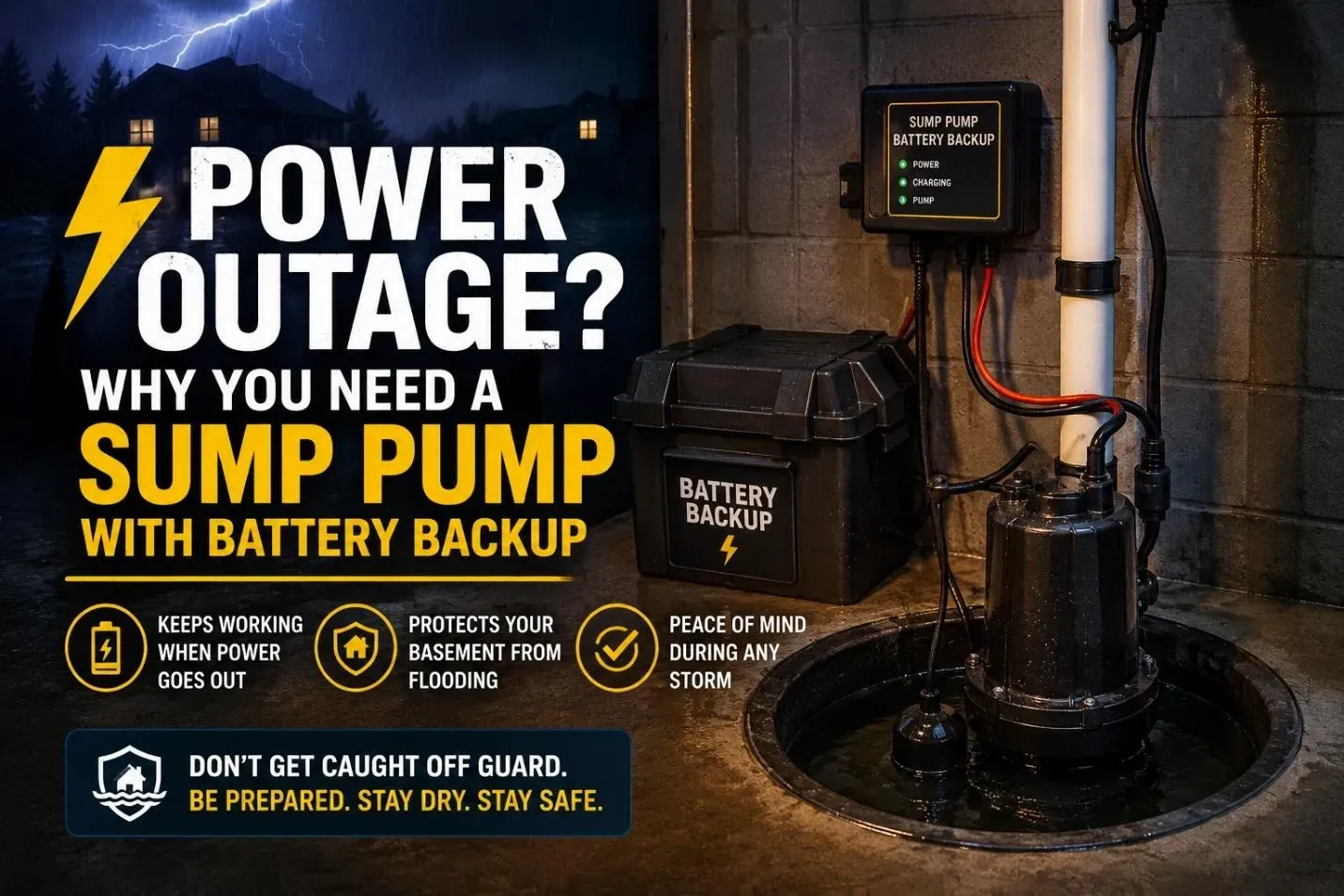
Green Bay, Wisconsin homeowners know how quickly spring storms and heavy rainfall can threaten a dry basement. Your standard sump pump does an excellent job under normal conditions, but what happens when the power goes out during the very storm that is sending water toward your foundation? This is precisely why a sump pump water backup system is one of the most important investments you can make to protect your home. At Garot Plumbing & Heating, we have been helping Green Bay homeowners protect their properties from water damage since 1946, and we highly recommend battery backup sump pump installation for any home with a basement.
Quick Summary
- Standard sump pumps stop working during power outages, leaving basements vulnerable to flooding
- A sump pump water backup system activates automatically when the primary pump fails or loses power
- Battery backup systems are especially critical for homes in flood-prone areas and basements with finished living spaces
- Professional battery backup sump pump installation ensures proper sizing, placement, and testing
- Regular maintenance keeps your backup system ready when you need it most
What Happens to Your Sump Pump During a Power Outage?
Why Standard Sump Pumps Stop Working
A standard sump pump is an electric appliance. When the power goes out — which frequently happens during the severe thunderstorms and heavy rains most likely to cause basement flooding — your primary pump immediately shuts down. Without power, it cannot run, regardless of how much water is entering the sump pit. This is one of the cruellest ironies of home protection: your pump fails precisely when you need it most.
The Hidden Cost of Basement Flooding
A flooded basement is far more than an inconvenience. Water damage to flooring, drywall, electrical systems, and personal belongings can cost thousands of dollars to repair. Mold growth following a flood event can add thousands more in remediation costs and pose ongoing health risks. A
basement sump pump backup system eliminates this vulnerability at a fraction of the cost of flood recovery.
What Is a Sump Pump Water Backup System?
A sump pump water backup system is a secondary pump installed alongside your primary sump pump that activates when the main pump is unable to operate. The most common type is a battery backup sump pump, which draws power from a dedicated rechargeable battery rather than the home's electrical supply. This means it continues to operate during power outages, keeping your basement dry even during the worst storms.
Some backup systems are also designed to kick in when the primary pump becomes overwhelmed during extremely heavy rainfall, providing additional pumping capacity even when the power is on.
How a Basement Sump Pump Backup System Protects Your Home
Automatic Activation During Power Failure
A well-installed basement sump pump backup system activates automatically the moment water in the sump pit rises above a set level, without any manual intervention. This means your basement is protected around the clock, even while you sleep or when you are away from home.
Protection During Heavy Storms
During intense storms, a single sump pump may not have sufficient capacity to keep pace with rapidly rising water. A sump pump with battery backup provides supplemental pumping capacity, working alongside the primary pump to handle higher water volumes.
Prevents Basement Flooding
The primary goal of any sump pump water backup system is simple: keep water out of your basement. By providing a redundant layer of protection, a backup system dramatically reduces the risk of flooding — protecting your investment in finished basement spaces, stored belongings, and the structural integrity of your home.
Benefits of Installing a Sump Pump with Battery Backup
- Continuous protection during power outages lasting hours or even days
- Added pumping capacity during extreme rainfall events
- Peace of mind knowing your basement is protected even when you are away
- Alarm alerts that notify you when the backup system is activated
- Protection against primary pump failure caused by mechanical issues, not just power loss
- Potential reduction in homeowner's insurance premiums in some cases
- Significant cost savings compared to flood damage restoration
When Should You Install a Sump Pump Backup System?
Homes in Flood-Prone Areas
If your home sits in a low-lying area, near a body of water, or in a region known for heavy rainfall, a sump pump water backup system is not optional — it is essential. Green Bay and surrounding areas can see significant rainfall events, and a backup system is your last line of defence.
Basements with Finished Living Spaces
If you have invested in a finished basement — whether as a family room, home office, bedroom, or rental unit — the cost of water damage is exponentially higher. Protecting that investment with a backup sump pump installation is simply good financial sense.
Older Homes with Single Pump Systems
Many older Green Bay homes were built with a single, basic sump pump system. As pumps age and storms become more intense, a single pump system offers insufficient protection. Adding a
basement sump pump backup system brings these homes up to a modern standard of flood protection.
Battery Backup Sump Pump Installation: What Homeowners Should Know
Professional vs DIY Installation
While some hardware stores sell DIY backup pump kits, professional battery backup sump pump installation ensures the system is correctly sized for your sump pit, the backup pump is positioned at the correct height above the primary pump, the discharge pipe is properly routed, the battery is compatible with the system, and the alarm and monitoring features are properly configured. An incorrectly installed backup system may fail to activate when needed, defeating its entire purpose.
Battery Capacity and Runtime
Battery capacity determines how long the backup pump can run. Most quality systems provide 5 to 10 hours of continuous pumping on a full charge under heavy load, and significantly longer during intermittent use. A professional installer can help you select a system with adequate battery capacity for your home's specific needs and your local storm patterns.
Maintenance Requirements
Like any mechanical system, a backup sump pump requires periodic maintenance to remain reliable. This includes testing the backup pump every few months, checking battery charge levels, and replacing the battery every 3 to 5 years.
How to Install a Sump Pump Backup System
While we always recommend professional installation, here is a high-level overview of how the install sump pump backup system process works:
- Choose the Right Backup Pump: Select a backup pump with sufficient gallons-per-hour (GPH) capacity for your pit size and typical water inflow rates.
- Position the Backup Pump Above the Primary Pump: The backup pump float should be set to activate at a water level slightly higher than the primary pump's activation level, ensuring the primary pump handles normal conditions while the backup handles overflow.
- Connect the Battery and Control System: Wire the backup pump to the battery and control unit, which monitors water levels and battery status.
- Install a Separate Discharge Pipe: The backup pump should have its own discharge pipe that exits the home separately from the primary pump's discharge line.
- Test the Backup Pump System: Manually test the backup pump by raising the float or simulating a power outage to confirm activation.
Signs You Need a Sump Pump with Battery Backup
- Your basement has flooded at least once during a storm or power outage
- You live in an area that experiences frequent or severe thunderstorms
- Your current sump pump is more than 7 years old and has no backup
- You have finished living spaces, valuable items, or essential systems in your basement
- You are away from home frequently and cannot monitor your basement during storms
- Your water table is high or you have a history of water intrusion
Choosing the Right Basement Sump Pump Backup System
Battery Capacity
Look for a system with at least a 75 amp-hour battery for moderate use homes, and larger capacities for homes in high-risk flood areas.
Pumping Power
Choose a backup pump with a GPH rating comparable to or greater than your primary pump to ensure it can handle peak water inflow conditions.
Alarm and Monitoring Features
Modern sump pump water backup systems include audible alarms and smartphone connectivity that alert you when the backup activates, the battery is low, or the pit water level is unusually high.
Reliability and Brand Quality
Choose a backup system from a reputable manufacturer with a strong warranty. Garot Plumbing & Heating can recommend and install reliable systems that are well-suited to Green Bay's climate and housing stock.
Maintenance Tips for Your Backup Sump Pump System
- Test the backup pump quarterly by lifting the float or pouring water into the pit
- Check battery charge monthly, especially before storm season
- Replace the battery every 3 to 5 years or per the manufacturer's recommendation
- Inspect discharge pipes for clogs or ice blockages in winter
- Schedule annual professional maintenance with Garot Plumbing & Heating to inspect both primary and backup systems
Conclusion
A power outage during a severe storm is exactly the wrong time to discover that your sump pump cannot protect your basement. A properly installed sump pump water backup system provides the redundant protection your home needs, working automatically whenever your primary pump cannot — whether due to power loss, mechanical failure, or overwhelming water volume.
Garot Plumbing & Heating has been protecting Green Bay homes from plumbing failures and water damage since 1946. Our licensed team specializes in professional battery backup sump pump installation and maintenance, ensuring your backup system is ready to perform when it matters most. Do not wait until your basement floods — contact us today to install sump pump backup system protection for your home.
Frequently Asked Questions
What is a sump pump with battery backup?
A sump pump with battery backup is a secondary pump installed in your sump pit that runs on a dedicated rechargeable battery rather than your home's electrical supply. It activates automatically when the primary pump fails or during a power outage, continuing to remove water from the sump pit and preventing basement flooding.
How long does a battery backup sump pump last during a power outage?
Most quality battery backup sump pump systems can run for 5 to 10 hours of continuous pumping on a full charge under heavy load, and much longer under intermittent use. The exact runtime depends on the battery capacity, pump efficiency, and how frequently the pump cycles. Some premium systems with larger batteries can provide 24 hours or more of backup protection.
Is battery backup sump pump installation necessary?
For most homeowners with basements in Green Bay, Wisconsin, yes. Power outages during severe storms are common, and a standard sump pump offers no protection when electricity fails. Battery backup sump pump installation is a relatively modest investment compared to the thousands of dollars in damage that a single flooding event can cause.
Can I install a sump pump backup system myself?
While DIY kits are available, professional installation is strongly recommended. Proper sizing, correct positioning, separate discharge piping, and thorough system testing are all critical to ensuring the backup system will function reliably when needed. An incorrectly installed system may not activate at the right water level or may lack the capacity to protect your basement effectively.
How often should a sump pump backup battery be replaced?
Most sump pump backup batteries should be replaced every 3 to 5 years, depending on usage frequency and battery type. Lead-acid batteries typically last 3 to 5 years, while newer sealed AGM batteries can last longer with proper maintenance. Garot Plumbing & Heating can test your battery during annual maintenance visits and advise you on when replacement is needed.
